
Guide to compost and its different uses

So your are starting out in gardening, it can be a challenge when confronted with all the different types of compost and which one to use with which plant. So we have put together a general guide for the uses and types of compost and there uses.
Multi Pourpose Compost
- The most popluar compost you will find in garden centres, it is suitable for a multiude of potting jobs e.g sowing seeds, taking cuttings, planting tubs and baskets and in the borders. Some may require less water due to a water holding agents added, so check the lable to see if it is what you require
Ericaceous Compost
- Ericaceous compost is for plants that need an acidic soil such as Rhododendron, Azaleas,Camellia & Pieris just a few to mention. This compost typically has a lower ph making it suitable for the development and growth of these types of plants.
John Innes Compost
- John innes compost is great for creating a rich healthy growing medium for plants, john innes composts are formulated to use reduce peat use so making them a great alternative to peat based composts, john innes compost comes as seed, no1, no2 & no3 all differing in feed content for differing stages in growth.
Growbags
- A grow bag is a portable, flexible container typically from plastic filled with a potting mix, designed for growing vegetables, herbs, and flowers. Ideal for small spaces like patios or balconies, they provide good drainage, aeration, and prevent root circling, promoting healthier plant growth compared to traditional pots.

• Continue planting up pots, baskets & borders with bedding plants water regularly to help them establish. • Tie in new stems of climbing and rambling roses to supports. • Pinch outshoots on fuchsias to encourage bushier growth. • Start feeding containers and baskets with a liquid feed every few weeks. • Start to pick sweet pea flowers as this will encourage more flowers. • Use soft ties to tie in new clematis shoots. • Stake perennials like hollyhocks & Delphiniums to prevent damage in the wind. • Dead head repeat flowering roses. • Give wisteria its summer prune cutting all the long side shoots back to 20cm, to promote flowering for next spring. • Dot a few French marigolds around tomato plants - these strongly scented flowers will help deter insect pests. • Keep the surface of ponds clean by removing floating weeds. Use a net to scoop out mats of tiny-leaved duck weed and twirl hair-like blanket weed from the surface with a stick or garden cane – before putting on the compost heap, leave on the edge of the pond overnight so any aquatic creatures can crawl back into the water.

Jobs In The Garden For May

May shrubbery update

How to Control Blanketweed
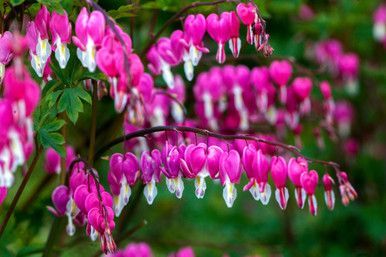
Dicentra Spectabilis Bleeding Heart & Alba
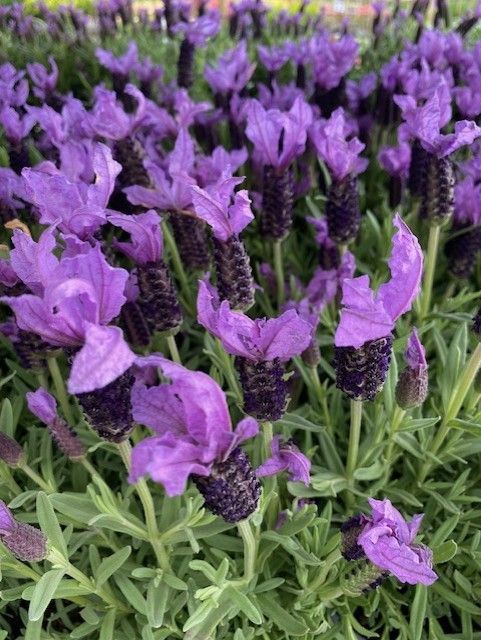
Create a garden for pollinators
April Shrubery Update

This is a subtitle for your new post
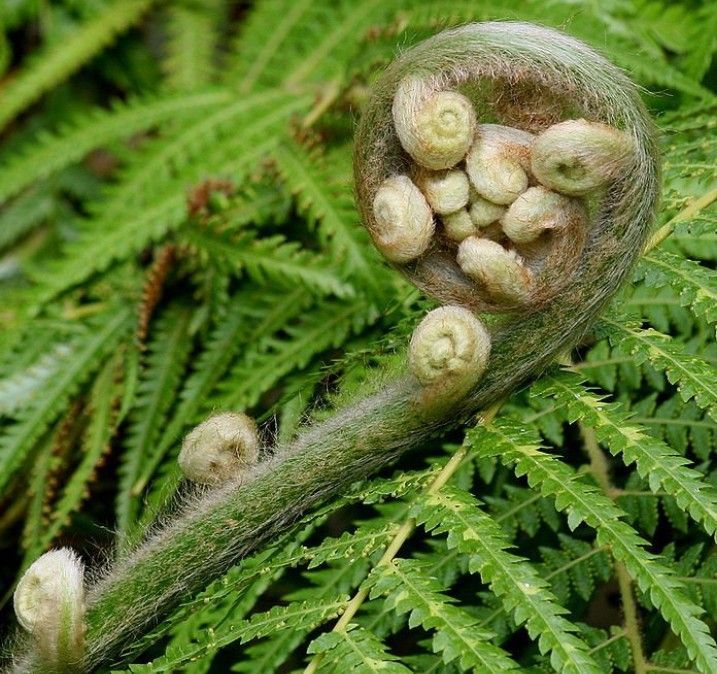
Plants For Repelling Slugs
March Shrubbery update