How to Control Blanketweed
How To Control Blanketweed
Now the days are getting longer, and the pond water is starting to warm up, life in the pond is starting to begin plants growing fish starting to feed, and insects and tadpoles appearing in the pond.
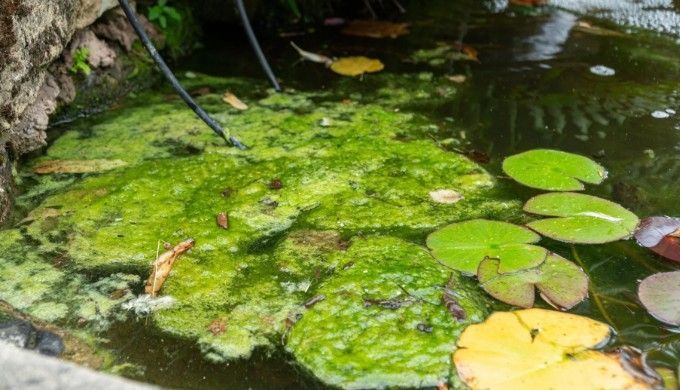
But that can mean the start of the dreaded blanketweed.
With the best efforts of the pond keeper most pond will be affected with blanketweed at some point, Blanketweed can grow in the cleanest of ponds.
So why does blanketweed reappear in spring
· Days become longer
· Water temps start to rise
· More sun light
· Pond plants have not yet begun to grow
All these combinations allow the growth of blanketweed starting on the sides of the pond, rocks and plant stems which act as an anchor for the algae to grow.
If left unattended blanket weed can cause some several issues in a pond
· Blocking pumps and filters
· Sturgeon and Sterlets may become tangled in it
· Through the night blanket weed consumes valuable oxygen which can lead to very low oxygen levels in summer.
So, it is important to get on top of blanket weed as soon as it starts to appear.
How to remove blanketweed safely
Start tackling blanketweed by removing as much as possible by hand from the pond using a stick, net or blanketweed brush, but don’t depose of it straight away leave it at the side of the pond for any insects and invertebrates to return to the pond after a few days dispose of the algae.
Once you have removed the bulk of the blanketweed you can treat the pond to help prevent it from returning.
· Blanketweed treatments
· Barley straw (for a natural approach)
As the treatment takes effect, you will need to remove any dead organic matter and add a sludge remover to help with the cleaning prosses. Some ponds that are well planted will only need one treatment, whereas others will need regular maintenance throughout the year.
Preventing Blanketweed
There are a few steps that can be taken to help reduce the growth of blanketweed in the pond.
· Adding more aquatic plants to compete for nutrients and cover the pond surface blocking light.
· Clean filters regular using pond water don’t use tap water.
· Avoid over stocking with fish.
· Remove silt from the bottom of the pond
· Don’t over feed fish to reduce waste
So, with spring well on the way now is the time to act on blanketweed for healthier cleaner pond to keep your fish happy and you can enjoy your pond with out the nuisance that is BLANKETWEED.