

- Spring clean-up: remove any dead foliage and debris from the pond and surrounding areas
- Water Testing: check water parameters. If the water has ammonia or Nitrite/ Phosphate issues remove any rotting organic matter and perform partial water changes.
- Clean and service pond equipment: clean pumps and filters, replace filter media and pads as needed and change the uv lamps.
- Watch out for Blanket weed: growth of blanket weed may start due to the rise in pond temperature and increase in daylight. Excess nutrients can also help blanket weed grow.
- Check Fish Health: watch for signs of illness as the water temp rises treat as soon as signs show.
- Feeding Fish: now the water temp is rising feed wheatgerm and slowly move over on to higher protein diets as the days get warmer.
- Plant for March: marsh marigold will bring striking golden flowers signalling the beginning of spring in the pond.

• Continue planting up pots, baskets & borders with bedding plants water regularly to help them establish. • Tie in new stems of climbing and rambling roses to supports. • Pinch outshoots on fuchsias to encourage bushier growth. • Start feeding containers and baskets with a liquid feed every few weeks. • Start to pick sweet pea flowers as this will encourage more flowers. • Use soft ties to tie in new clematis shoots. • Stake perennials like hollyhocks & Delphiniums to prevent damage in the wind. • Dead head repeat flowering roses. • Give wisteria its summer prune cutting all the long side shoots back to 20cm, to promote flowering for next spring. • Dot a few French marigolds around tomato plants - these strongly scented flowers will help deter insect pests. • Keep the surface of ponds clean by removing floating weeds. Use a net to scoop out mats of tiny-leaved duck weed and twirl hair-like blanket weed from the surface with a stick or garden cane – before putting on the compost heap, leave on the edge of the pond overnight so any aquatic creatures can crawl back into the water.

Jobs In The Garden For May

May shrubbery update

How to Control Blanketweed
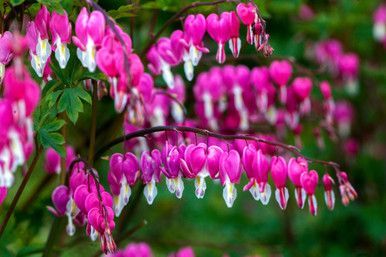
Dicentra Spectabilis Bleeding Heart & Alba
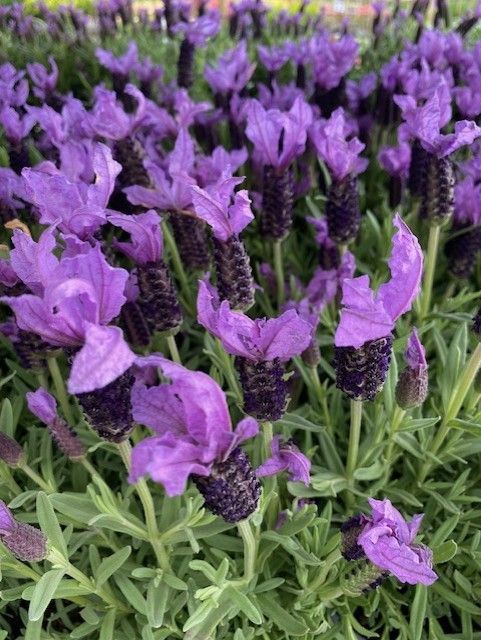
Create a garden for pollinators
April Shrubery Update

This is a subtitle for your new post
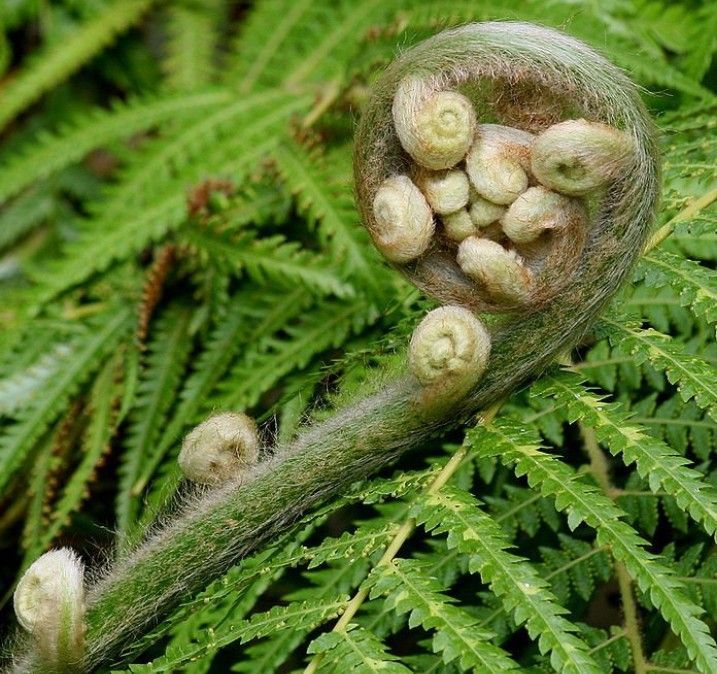
Plants For Repelling Slugs
March Shrubbery update